


✓ Immunoglobulins (IgG, IgA, IgM)
Natural immune proteins that support gut integrity & first-line defense at mucosal surfaces


Modern diets are abundant in calories but depleted in the nutrients that support life, reproduction, immunity, and long-term vitality.
Our bodies aren’t failing us, we’re really just undernourished.

For thousands of years, TCM has taught practitioners to see the body as a dynamic landscape, where health arises as a result of:

Daily Value (DV) is a nutritional benchmark indicating how much of a nutrient the average adult needs per day.
Even when DV looks similar on paper, whole-organ nutrients act differently in the body — more bioavailable, more complete, more effective.
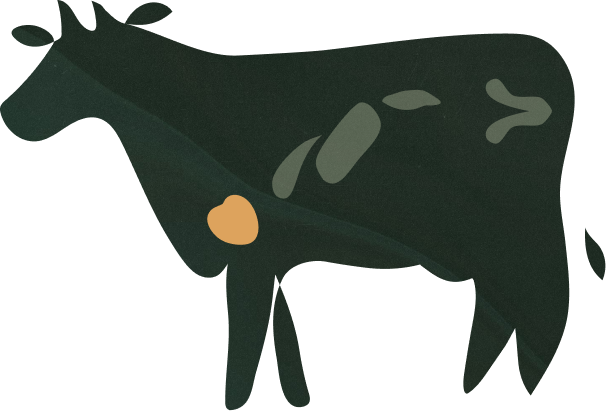
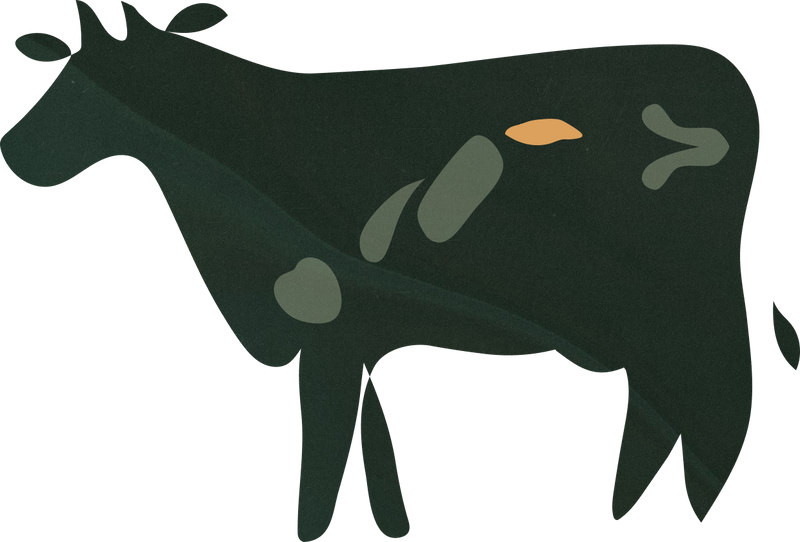

Supports healthy hormonal function, thyroid function and antioxidant protection.
Supports healthy hormonal function, thyroid function and antioxidant protection.
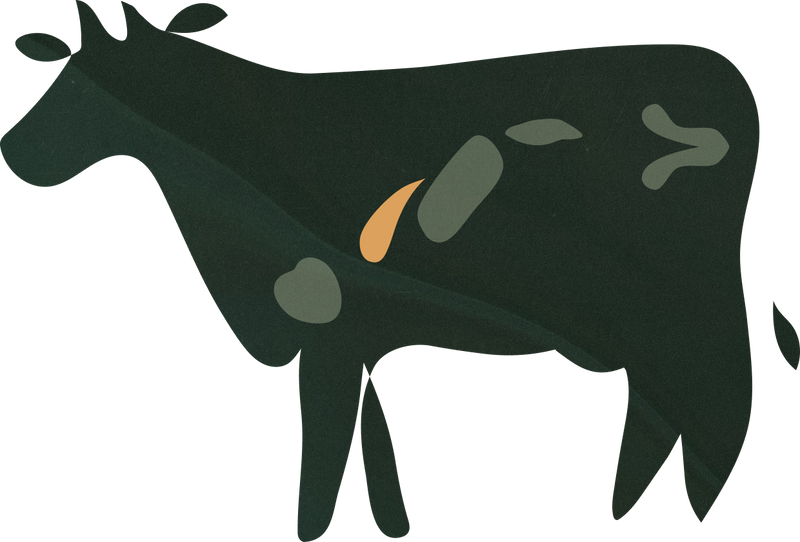

Supports normal red blood cell formation, oxygen transport, tissue repair & function.
Supports normal red blood cell formation, oxygen transport, tissue repair & function.
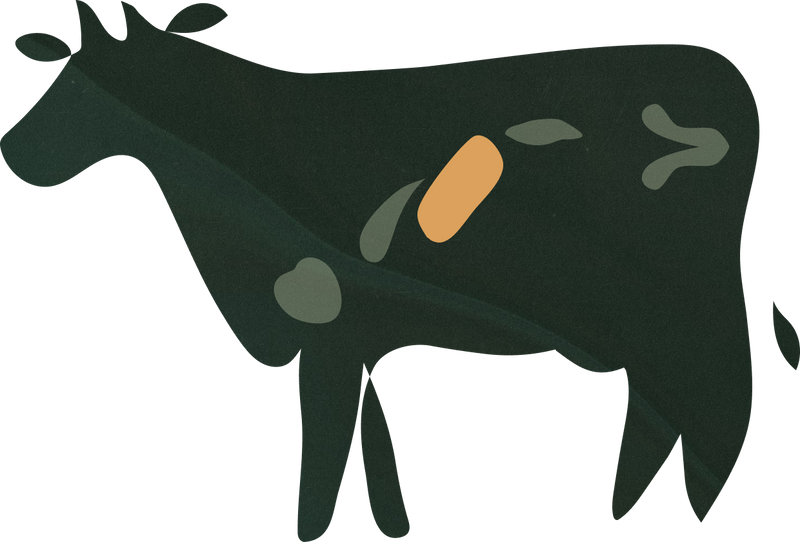

Supports normal reproductive function, skin health and detox processes.
Supports normal reproductive function, skin health and detox processes.

Supports healthy reproductive system function & helps the body convert food into energy.
Supports healthy reproductive system function & helps the body convert food into energy.

Supports normal endocrine function, fertility and libido, and cellular repair.
Supports normal endocrine function, fertility and libido, and cellular repair.

A complete food designed to support . It delivers immune proteins, growth factors, and signaling compounds that help the body learn how to protect, repair, and regulate itself.
Natural immune proteins that support gut integrity & first-line defense at mucosal surfaces
Iron-binding glycoprotein that supports immune balance & microbial ecosystems
Support tissue repair, gut lining renewal, and cellular regeneration
Support intestinal lining maintenance, recovery, and metabolic repair processes
Feed beneficial gut bacteria and support a balanced microbiome environment


Beef protein isolate is derived from grass-fed bovine muscle tissue and provides a complete amino acid profile in its natural food matrix.
Because it’s sourced from whole food and gently isolated, beef protein supports strength, recovery, and satiety while remaining easy on digestion and suitable for daily use.
Easily digested and neutral in taste, beef collagen is derived from bovine connective tissue, bones, and hides, naturally rich in collagen types I and III—the same structural proteins most abundant in the human body.
Its unique amino acid profile, especially glycine, proline, and hydroxyproline, supports skin elasticity, joint and connective tissue resilience, gut lining integrity, bone strength, and recovery from physical stress.
Research links collagen intake to improvements in skin firmness, reduced joint discomfort, enhanced tissue repair, and better sleep quality through glycine’s calming effects on the nervous system.
| Feature | Beef Protein Isolate | Whey Protein | Plant Protein (Pea/Rice) |
|---|---|---|---|
| Best for | Muscle, satiety, metabolism | Muscle growth | General protein intake |
| Protein completeness | Complete (all EAAs) | Complete | Often incomplete (blended) |
| Leucine (muscle) | High | Very high | Moderate |
| Main amino acids | Leucine, BCAAs, glycine | Leucine, BCAAs | Lower leucine |
| Gut-friendly | ✓ Yes | ✕ Sometimes irritating | ✓ Generally |
| Iron content | Moderate (heme) | Low | Very Low |
| Source | Grass-fed beef muscle | Dairy (milk) | Legumes & grains |
| Feature | Beef Collagen (Types I & III) | Marine Collagen (Type I) | Chicken Collagen (Type II) |
|---|---|---|---|
| Best for | Skin, joints, gut, bones | Skin, hair | Joint cartilage, eyes |
| Absorption | High (hydrolyzed) | Very high | High (hydrolyzed) |
| Main amino acids | Glycine, proline, hydroxyproline | Same | Moderate |
| Source | Cow hide & bones | Fish skin/scales | Chicken cartilage |
| Allergen-friendly? | ✓ Yes (if grass-fed, clean) | ✕ Fish allergies possible | ✕ Poultry allergies possible |
In nature, nothing exists in isolation.
Every nutrient is part of a complex, living system: balanced by enzymes, minerals, and cofactors that help the body recognize, absorb, and use it.
Synthetic vitamins, even when they match the same molecular structure, lack that biological intelligence. They’re isolated, manufactured, and often pass through the body without being fully absorbed.


Unlike industrial agriculture, which prioritizes yield, regenerative farming focuses on actively rebuilding soil and restoring the ecosystems that produce our food—creating healthier land, more resilient crops, and more nutrient-dense nourishment over time.


